Did you or someone you know face postpartum depression or anxiety?
What if postpartum depression isn’t just bad luck, hormones, or “in your genes”?
What if the feminist movement didn’t steer us into liberation, but into self abandonment, burnout, and isolation?
What if the silent suffering so many women face is something we could actually prevent—but no one is talking about how?
This should be the most powerful time in a woman’s life.
And perhaps the most crazy-making thing is that SO many of the above issues are preventable (you might even think it’s by design 🤐).
because
If a woman is grounded, held, loved, supported, safe and nourished then the whole family thrives. Which means ultimately, the community thrives.
We need women to feel healthy, whole, and seen if we want to create a better world.
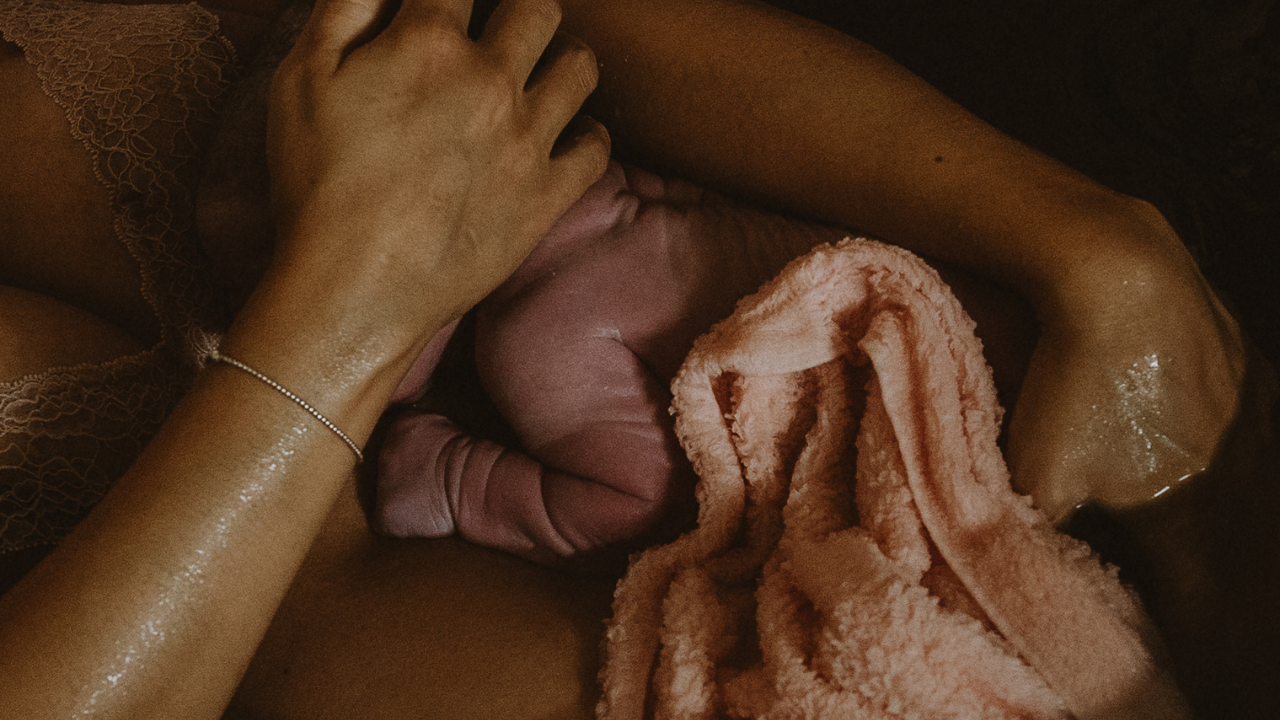
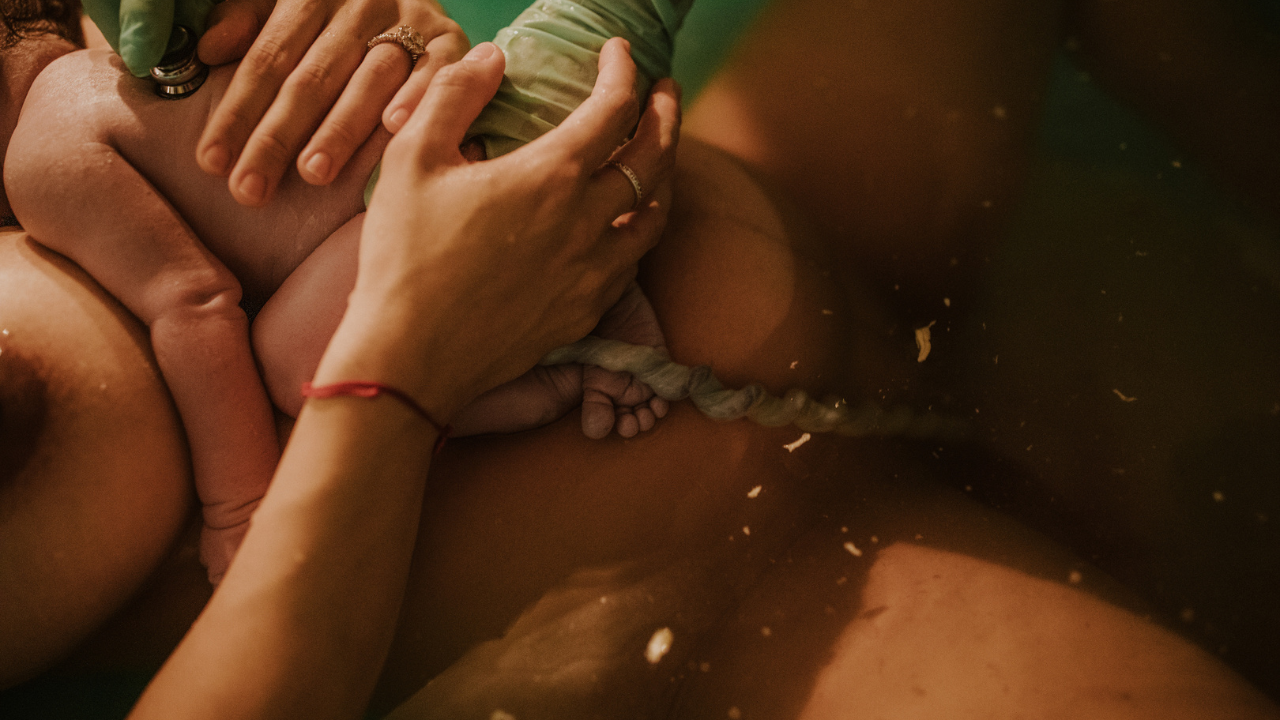
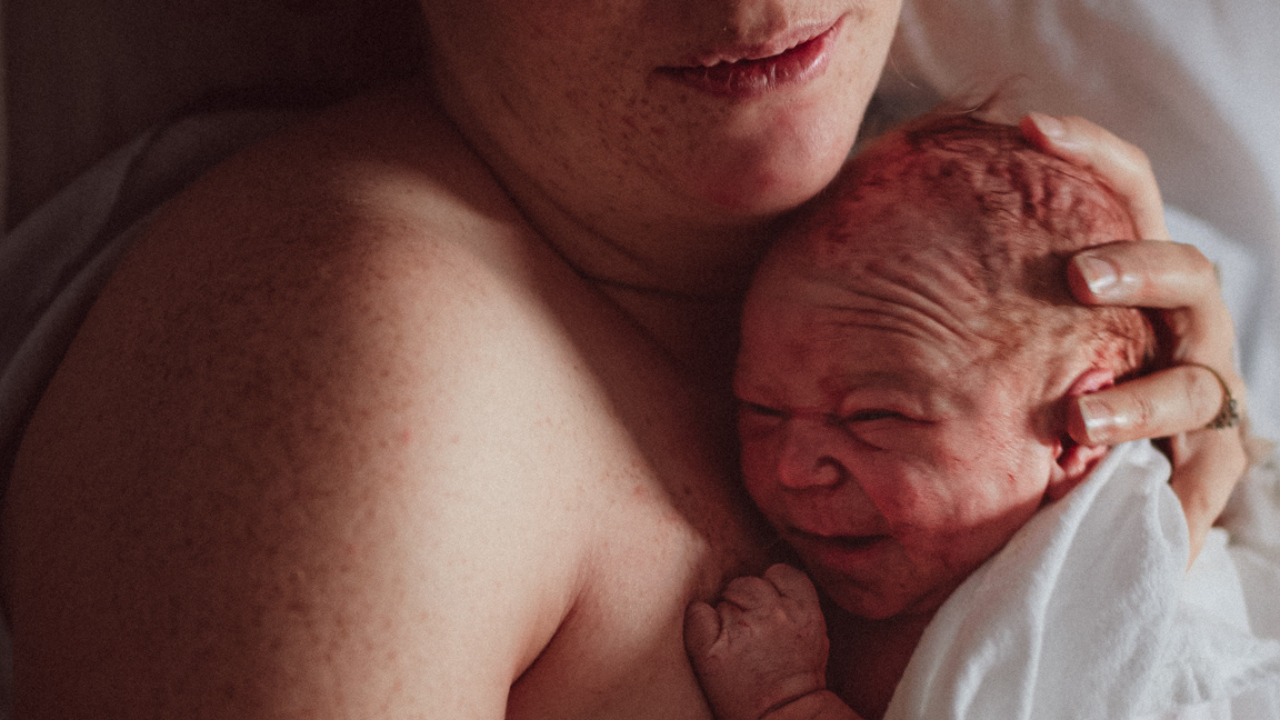
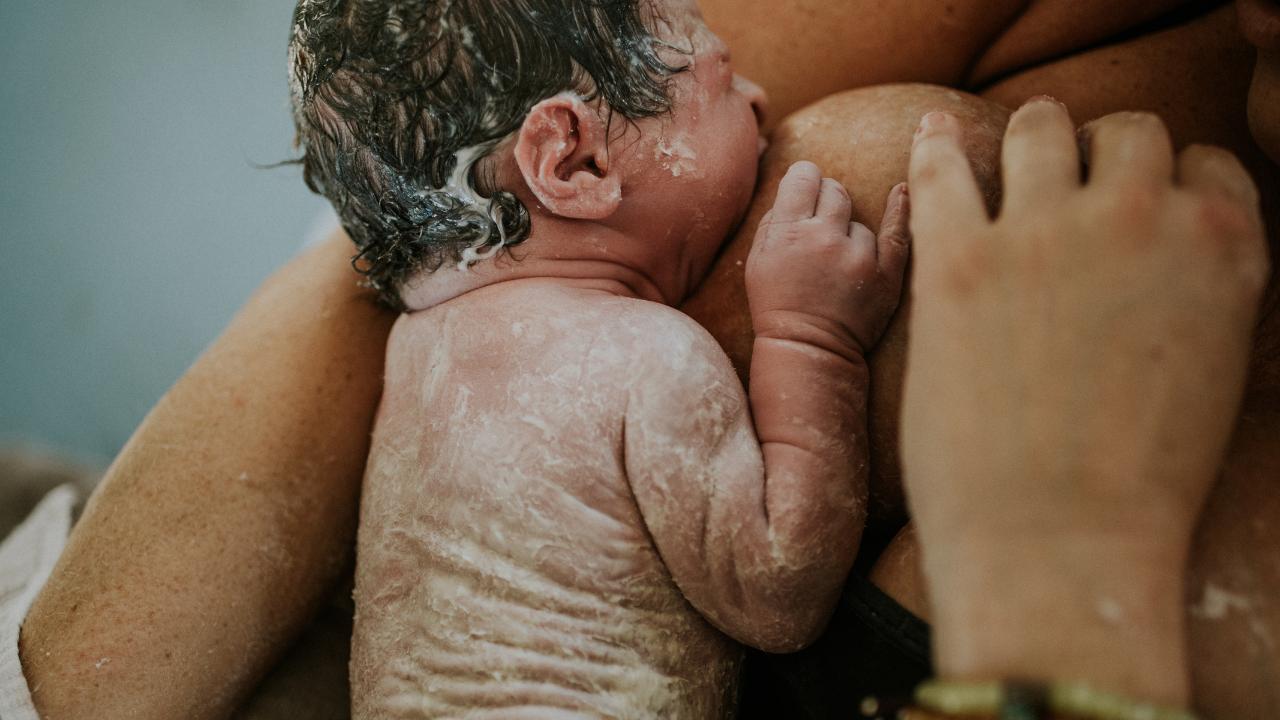
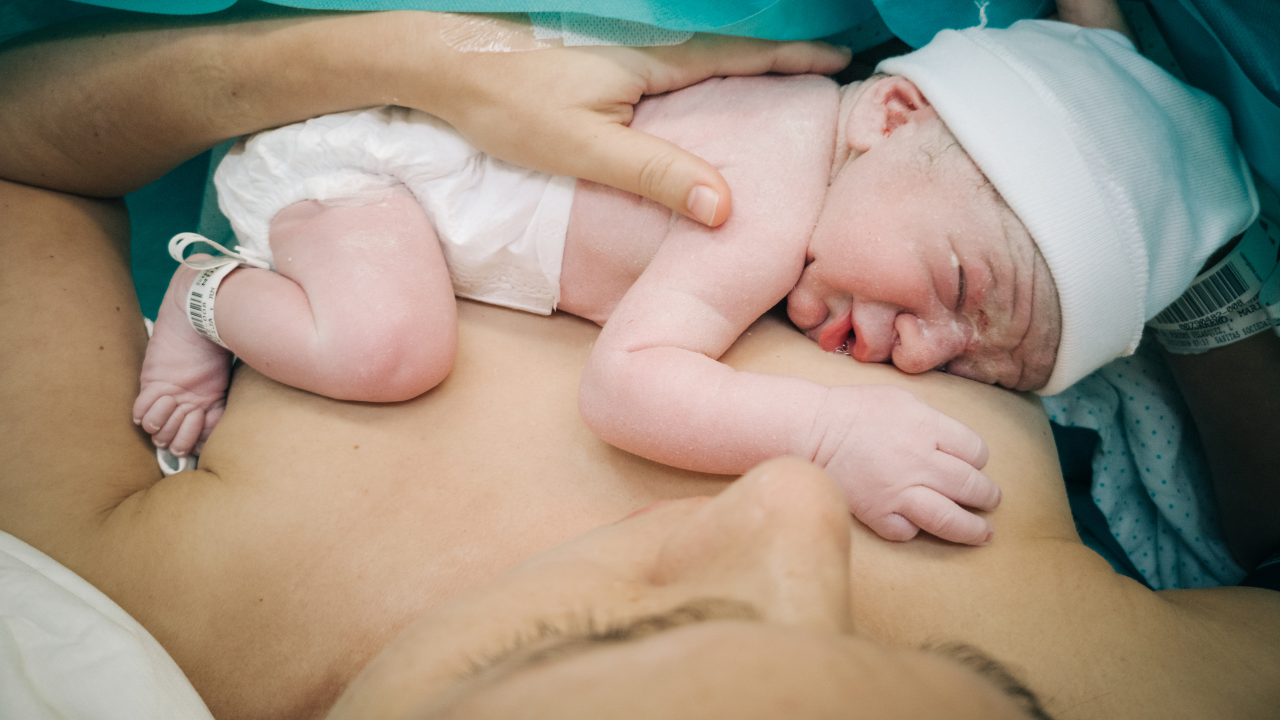
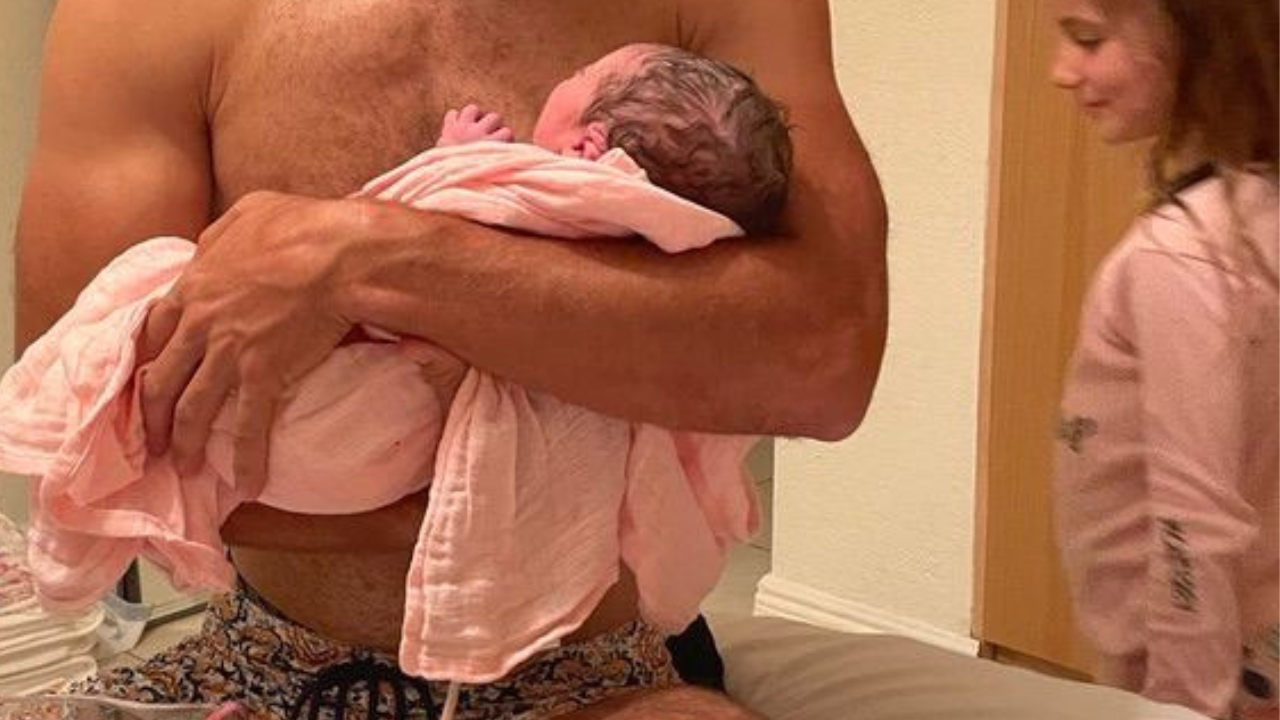
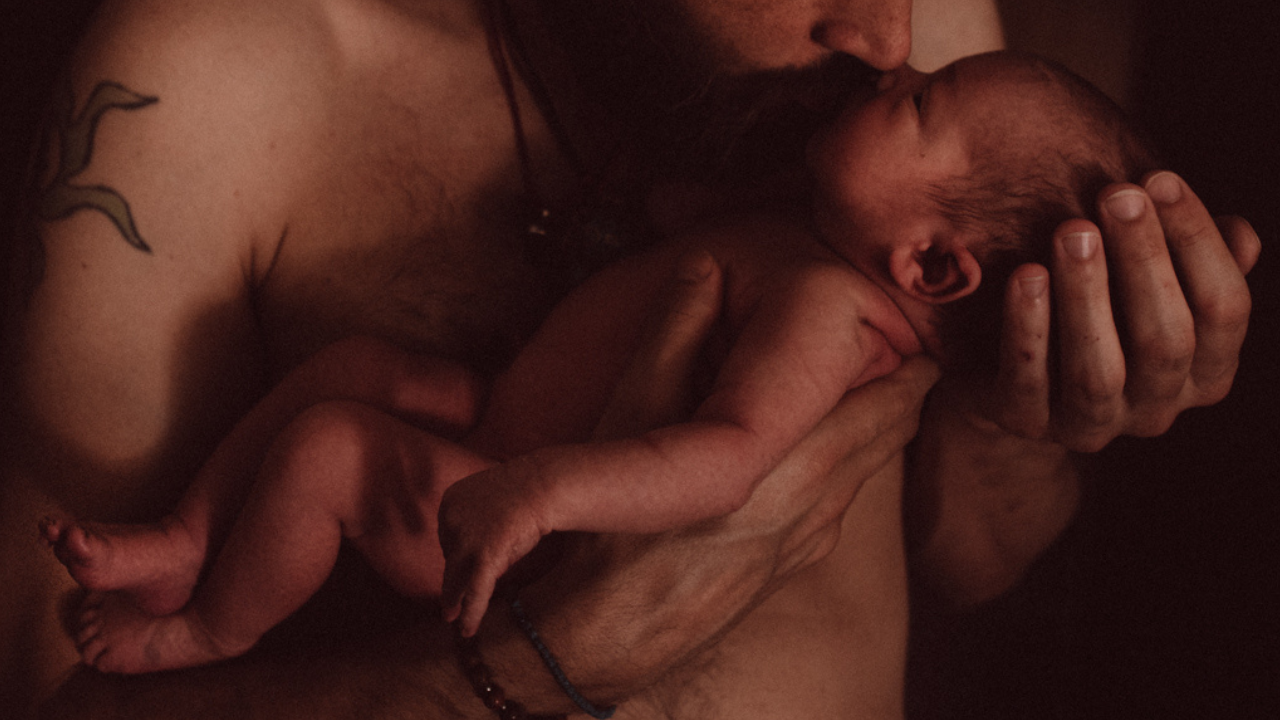
The village didn’t just disappear, it was pushed out
…Our modern era has replaced community minded care with the nuclear family.
…Mother baby bonding is overshadowed by child-care and return to work expectations.
…The ancient art of mothering has given way to “do it all” mentality, no built-in support, and the relentless grind of survival mode.
👆 And the result? A mother who is riddled with fatigue – suffering in silence as she bears the full physical, emotional, mental, and spiritual burden alone.
This is not an accident. This is an epidemic.
Since the second-wave of feminism, motherhood has become radically undervalued and in constant competition with a new found sense of “security”. With the internalized message: “You must do more to be enough.”
When in reality: the postpartum period is the MOST biologically and emotionally demanding time.
A time where the mother needs the utmost care and attention, so she can actually show up and serve her babies and community from a place that’s well resourced – not barren and empty.
Historically, care tasks were distributed across aunties, grandmothers, sisters, and neighbors. Now the narrative has been spun to convince new mothers everywhere that their value is wrapped up in their sole output.
And the only way out is to push it down, medicate, and “ride it out” til’ the depression runs its course. It’s a dangerous lie. And a story that we collectively have a massive opportunity to rewrite, together.
We can be the whisper of the ancient that she needs...
Maybe you’re here for a different reason...
Not every woman finds her way here because she’s a mother.
Some arrive because something in them knows…
the way we’re living and working - ISN'T IT.
You might be the woman who…
-
Feels completely out of place in her current work
-
Followed the “right path”… but it feels deeply misaligned
-
Has invested in growth, healing, or certifications—but nothing has truly landed
-
Knows she’s meant for something more… but can’t quite name what that is yet
From the outside, your life might look stable… even successful.
But internally, there’s a quiet, persistent question: “Is this really what I’m here for?”
Maybe your connection is more personal…
-
You experienced a difficult postpartum journey
-
Or witnessed someone you love struggle
-
And something in you never forgot that
Maybe it broke you…or maybe it opened you.
What if that feeling isn’t random?
What if the discomfort…
The disconnection…
The sense that you don’t quite belong where you are…
Is actually pointing you toward where you do belong?
You don’t need to have it all figured out to be here
You don’t need:
-
A business
-
A certification
-
Or a perfectly mapped-out plan
You just need curiosity… and a willingness to see postpartum and your place in this conversation; through a new lens.
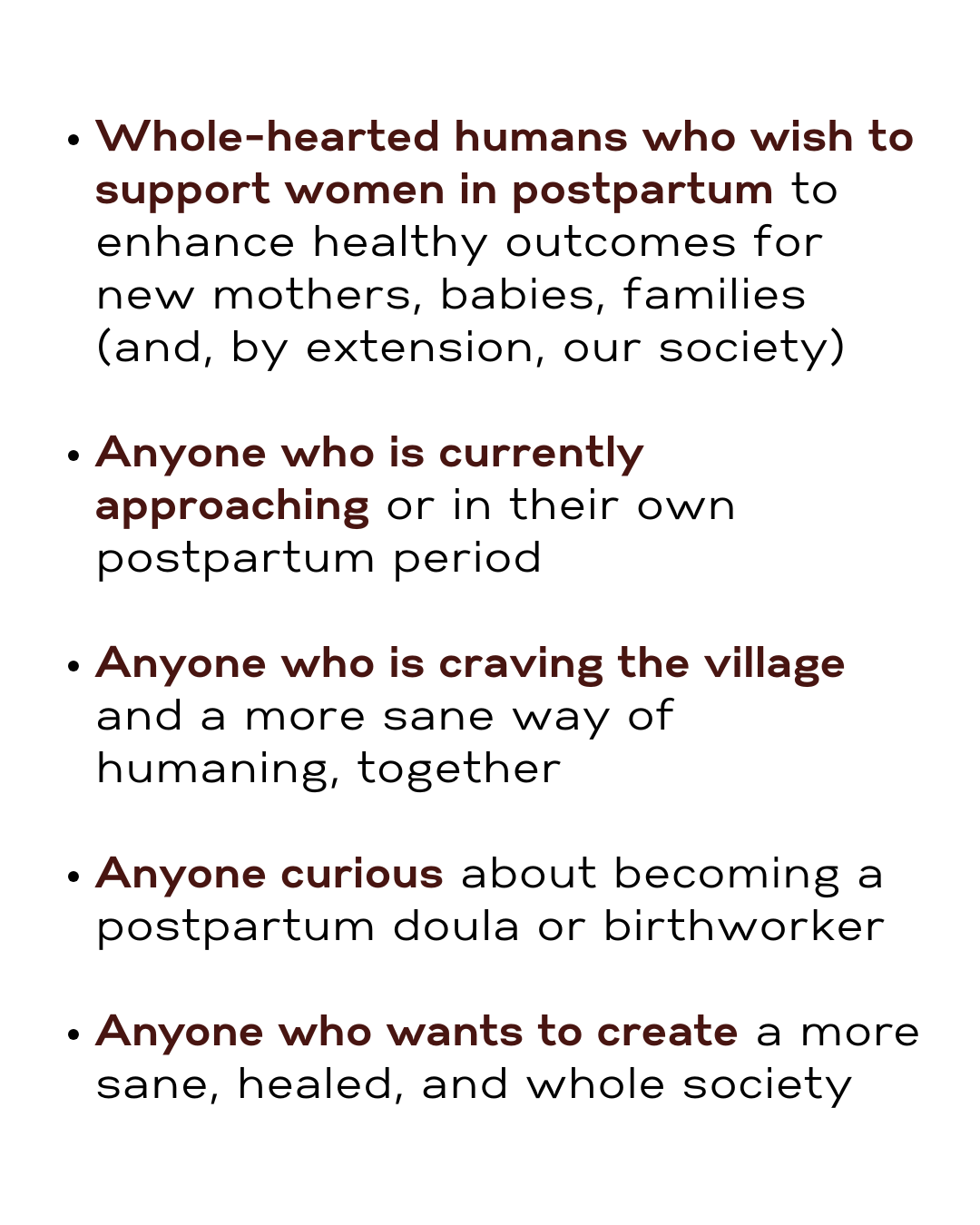
This conversation isn’t just for mothers
It’s for women who feel…that something is missing in the way we care for each other.
Who are ready to explore what it might look like to be part of something more meaningful.
And for some women… this conversation becomes more than awareness—it becomes a new path forward.
In this 60 minute masterclass...
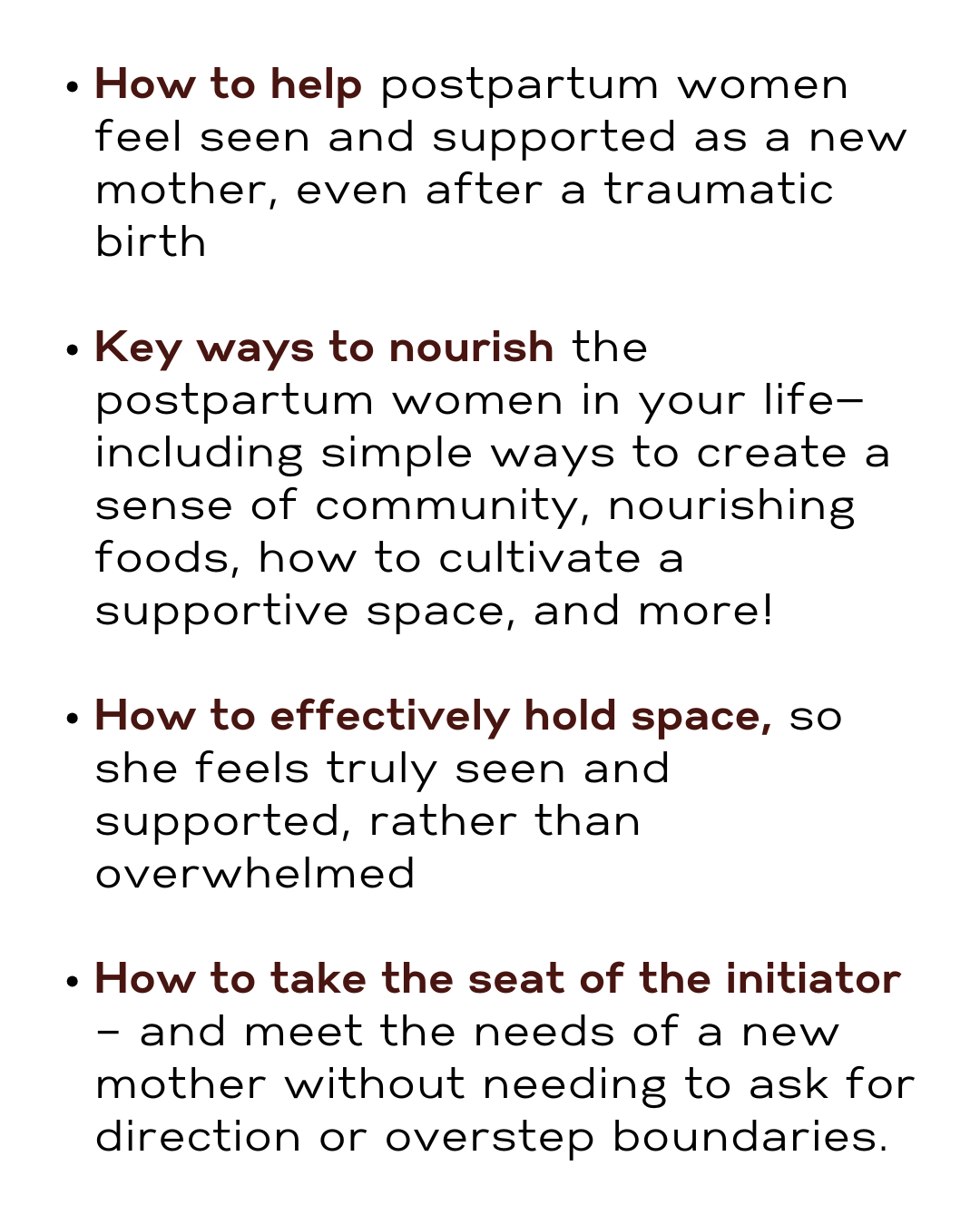
I’ll address the most important (and often overlooked) contributors to postpartum depression and what to do about it.
From depletion and inflammation, to the collective gaslight that convinces a woman to “get over” her grief and trauma.
Along with the most impactful things you can do to support a woman post birth.
You don’t need to be a birth professional to do this. All you need is a genuine interest in supporting women who are stepping into motherhood.
Together we’ll reclaim ancient knowing, and feel more whole, connected, and held as a collective.
With your guide:
EYLA CUENCA
founder of Uncovering Birth